
Energy & Economics: Your Questions Answered
Understanding Malaysia’s energy sector, Petronas, oil and gas dynamics, and the shift to renewable energy
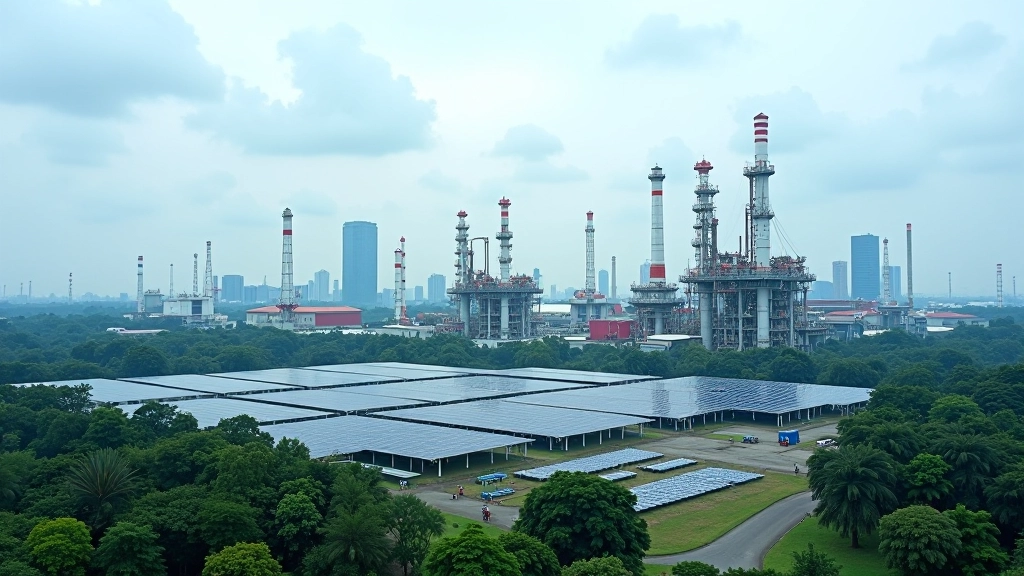
Petronas is one of Malaysia’s largest revenue sources, contributing roughly 30-40% of federal government revenue in recent years, though this fluctuates with oil and gas prices. In 2022, the company generated about 200 billion ringgit in revenue, with a significant portion flowing back to the government through dividends and taxes. This makes energy policy directly tied to Malaysia’s fiscal health and budget planning.
When oil prices fall, Petronas earnings shrink, which means less revenue for government projects, healthcare, and education. We saw this in 2015-2016 when crude dropped below $50 per barrel—the ringgit weakened, and Malaysia had to make tough budget cuts. Energy price swings create real uncertainty for planning and investment across the entire economy.
Energy subsidies are a political and social tool—they keep electricity and fuel prices low for everyday Malaysians, even though it costs the government billions annually. The fiscal burden of these subsidies competes directly with spending on infrastructure and development. Balancing affordability with fiscal sustainability is one of the hardest policy choices Malaysia faces.
Malaysia’s Renewable Energy Roadmap targets 31% renewable energy by 2050, with near-term goals of 23.3% by 2025. Solar capacity is expanding rapidly, especially through rooftop installations, but grid infrastructure and battery storage still need major investment. The transition won’t happen overnight—oil and gas will remain central to Malaysia’s energy mix for decades.
Malaysia is a major LNG exporter, ranking among the world’s top producers. Changes in Malaysian output ripple through global markets and influence prices that affect everything from shipping costs to electricity rates worldwide. Geopolitical disruptions or production decisions in Malaysia can shift international energy costs significantly.
As renewables grow, demand is shifting toward solar technicians, grid engineers, and battery specialists—roles that didn’t exist at scale a decade ago. Traditional oil and gas workers need retraining, and Malaysia’s education system is still catching up. A smooth energy transition depends on workforce planning and upskilling programs that are only now gaining momentum.
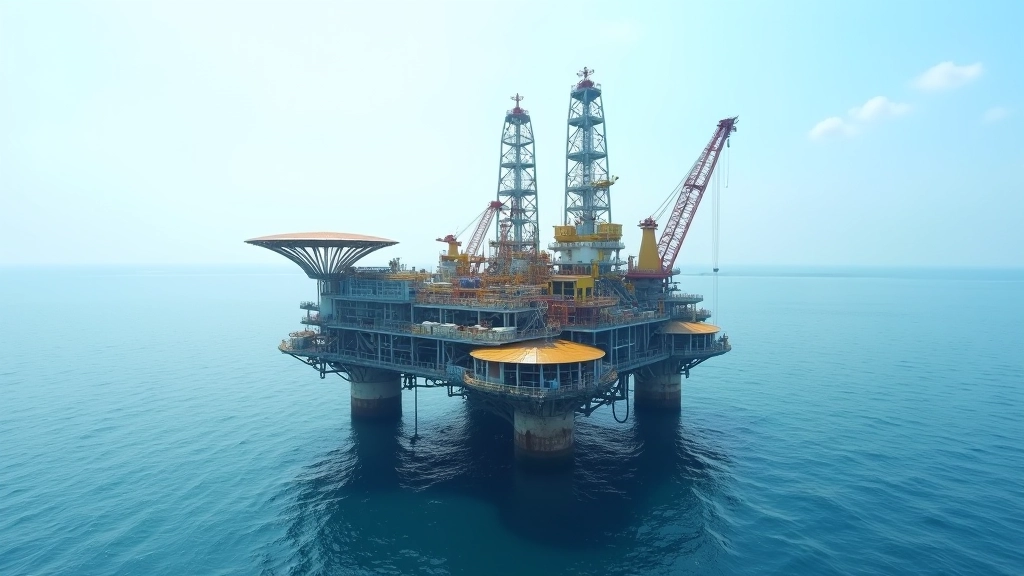
Questions About Malaysia’s Energy Future?
Our research team specializes in energy sector analysis, renewable transition strategy, and macroeconomic impact assessment. We help you understand the real numbers behind Malaysia’s energy landscape.
Start a Conversation