
Petronas Revenue and Malaysia’s Economic Backbone
How Petronas’ earnings shape government budgets, fund development projects, and influence Malaysia’s fiscal policy.
Read ArticleFrom solar targets to green technology investments, Malaysia is shifting away from fossil fuels. Here’s what the transition actually means for the economy and environment.
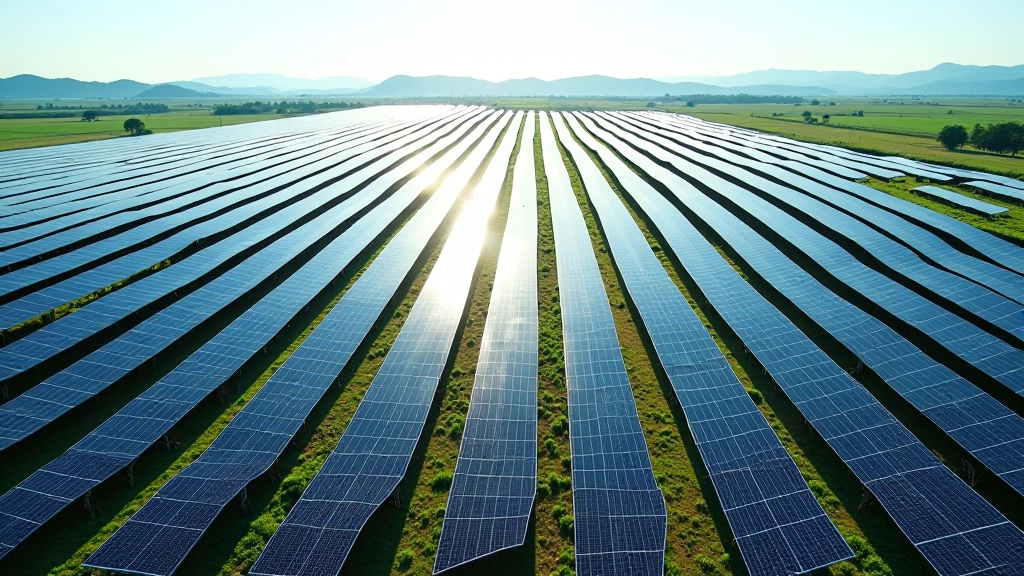
Malaysia’s energy landscape is at a crossroads. For decades, oil and gas fueled the economy — Petronas became a global powerhouse, and energy subsidies kept electricity affordable for millions. But that model isn’t sustainable anymore. Rising fuel costs, climate pressures, and shifting global markets mean Malaysia can’t rely on fossil fuels indefinitely.
The renewable energy transition isn’t just an environmental choice. It’s an economic necessity. We’re talking about restructuring how a nation generates power, rethinking government budgets that depend on oil revenue, and building entirely new industries. The stakes are enormous — and the opportunities are just as significant.

Here’s what makes this transition real: concrete numbers and actual deadlines. Malaysia’s government set a target of 31% renewable energy by 2050. That’s not some vague goal — it’s a measurable commitment that shapes investment decisions today.
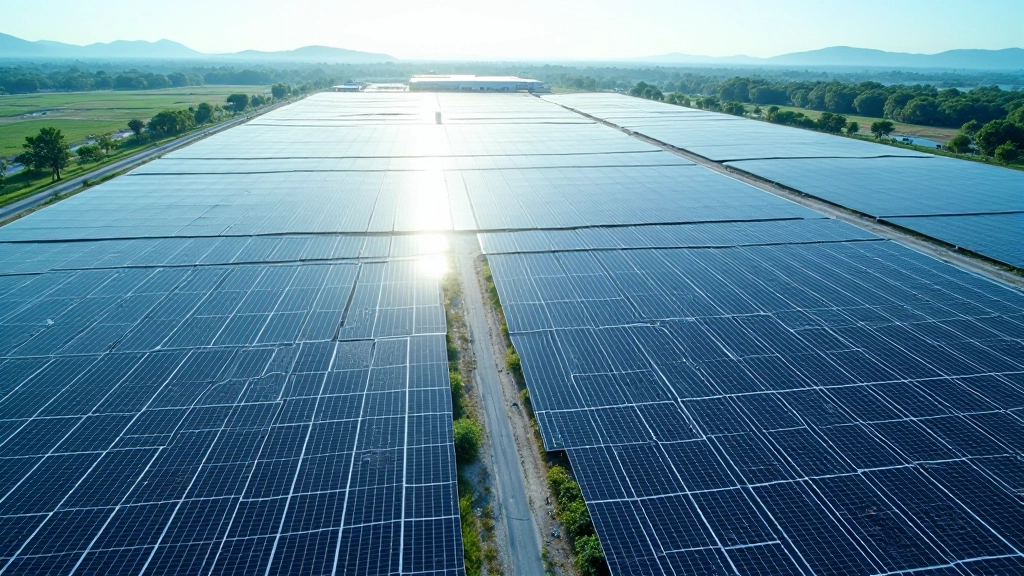
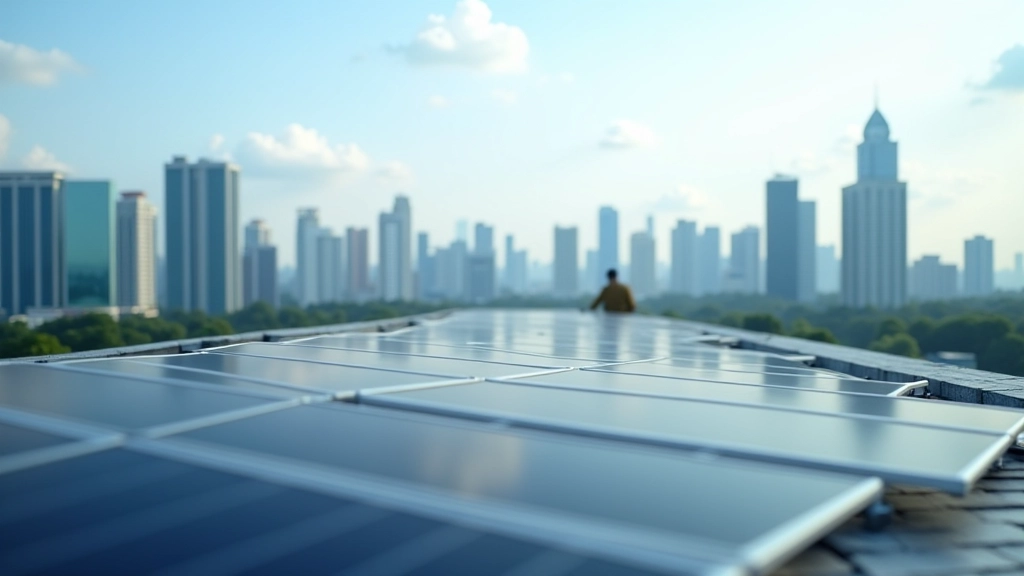
Solar power is the centerpiece. The country’s position near the equator gives it year-round sunlight, which means solar panels generate electricity consistently. Rooftop solar installations have grown significantly, especially among commercial buildings and industrial facilities. Large-scale solar farms are being built across Peninsular Malaysia and East Malaysia, with several projects already producing hundreds of megawatts.
But here’s the reality: we’re not ditching natural gas overnight. Malaysia’s 2050 target includes both renewables and natural gas as transition fuels. The strategy recognizes that completely replacing fossil fuels requires time, infrastructure investment, and technological advancement. It’s a phased approach, not a sudden switch.
Here’s what keeps policymakers awake at night: Petronas generates enormous revenue for the government. We’re talking billions of dollars annually that fund hospitals, schools, infrastructure projects, and public sector salaries. When global oil prices drop, that money dries up fast. Renewable energy creates a different revenue model — one that’s more stable long-term but requires massive upfront investment.
The transition also means rethinking energy subsidies. Malaysia spends significant money keeping electricity prices low for citizens and businesses. That’s politically popular but fiscally unsustainable. As renewable energy capacity increases and costs decrease, the government can gradually reduce subsidies without shocking consumers. Solar energy production doesn’t fluctuate based on global commodity prices — it’s predictable and domestically controlled.
New industries are emerging too. Manufacturing solar panels, installing systems, maintaining renewable infrastructure — these create jobs. Companies are investing in battery storage technology, smart grid systems, and energy management software. It’s not replacing the oil and gas sector overnight, but it’s building an alternative economic engine.
Renewable energy sounds straightforward until you dig into the logistics. Solar panels work great during the day, but what happens at night? That’s where energy storage comes in — expensive battery systems that store excess power for later use. Malaysia’s investing in battery technology, but it’s still costly and resource-intensive.
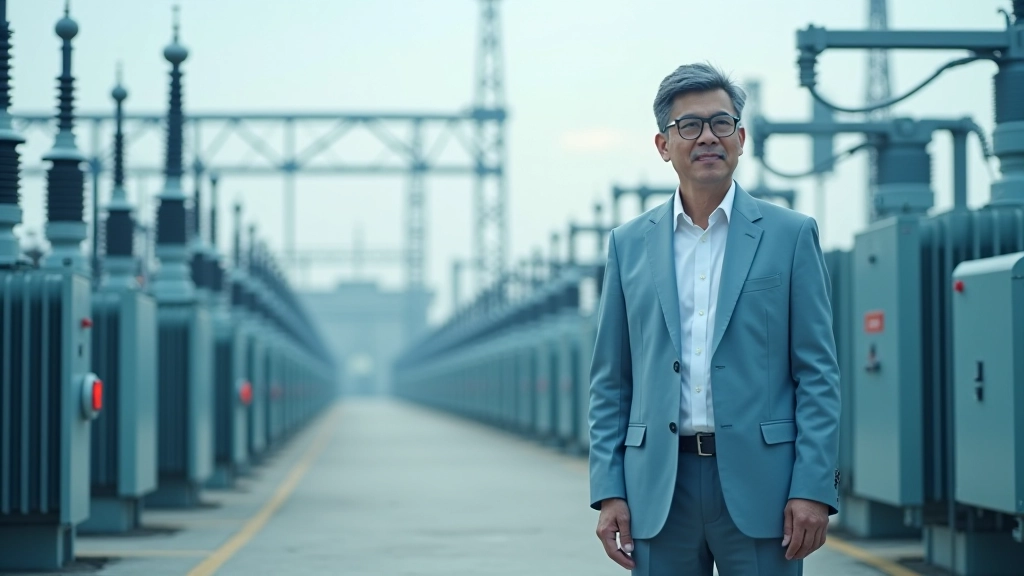
Grid infrastructure is another massive hurdle. The electrical grid was built for centralized power generation from large coal and gas plants. Renewable energy is distributed — thousands of solar panels across homes and businesses all feeding power back into the grid simultaneously. That requires completely new technology to balance supply and demand. Smart grids and advanced metering systems are expensive to install nationwide.
“The transition isn’t just about installing solar panels. It’s about completely redesigning how electricity moves through the country.” — Energy infrastructure analysis
There’s also the skills gap. Solar installation and maintenance require trained technicians. Energy system engineers need to understand renewable integration. Malaysia’s investing in technical education, but building a workforce of 10,000+ specialists takes years. Industries are partnering with universities to create training programs, but it’s a slow process.

Malaysia’s renewable energy transition isn’t happening by government money alone. International climate finance is playing a huge role. Development banks, climate funds, and foreign governments are investing billions. The goal? Help countries transition while building sustainable economies.
Private sector investment is equally critical. Energy companies, tech firms, and international corporations see renewable energy as profitable. They’re building solar farms, investing in battery technology, and developing smart grid solutions. Public-private partnerships are becoming standard — government provides regulatory support and land access, while private companies handle development and operation.
What’s interesting is the speed of cost reduction. Solar panel prices have dropped 90% over the past decade. Wind turbines are more efficient and cheaper. As technology costs decline, renewable energy becomes economically competitive without subsidies. Malaysia’s positioning itself to benefit from this trend — installing capacity now while prices are favorable, then operating cheaply for decades.
Malaysia’s renewable energy transition isn’t abstract future talk. Specific projects are underway with real timelines:
Smart grid technology rollout to handle distributed renewable power. New substations and transmission lines connecting solar farms to population centers.
Additional 5,000+ MW of renewable capacity additions. Major hydroelectric projects in Sarawak coming online. Offshore wind exploration moving to commercial stage.
Gradual reduction of energy subsidies as renewable capacity provides cheaper electricity. Shift toward targeted support for low-income households instead of blanket subsidies.
The renewable energy transition is fundamentally reshaping Malaysia’s economic future. It’s not just environmental policy — it’s fiscal strategy, industrial development, and international positioning all combined.
For ordinary Malaysians, the effects will be gradual. Electricity prices might stabilize as renewable capacity increases and subsidy burden decreases. New job opportunities will emerge in solar installation, maintenance, and related industries. Power reliability should improve with diverse energy sources instead of dependency on any single fuel.
For businesses, it’s about cost certainty. Renewable energy prices don’t fluctuate with global commodity markets. Companies can plan long-term energy costs with confidence. This attracts manufacturing and technology companies seeking stable operating expenses.
Internationally, Malaysia’s positioning itself as a clean energy leader in Southeast Asia. This opens doors for investment, technology partnerships, and regional influence. As climate action becomes economically important, Malaysia’s early transition efforts pay dividends.
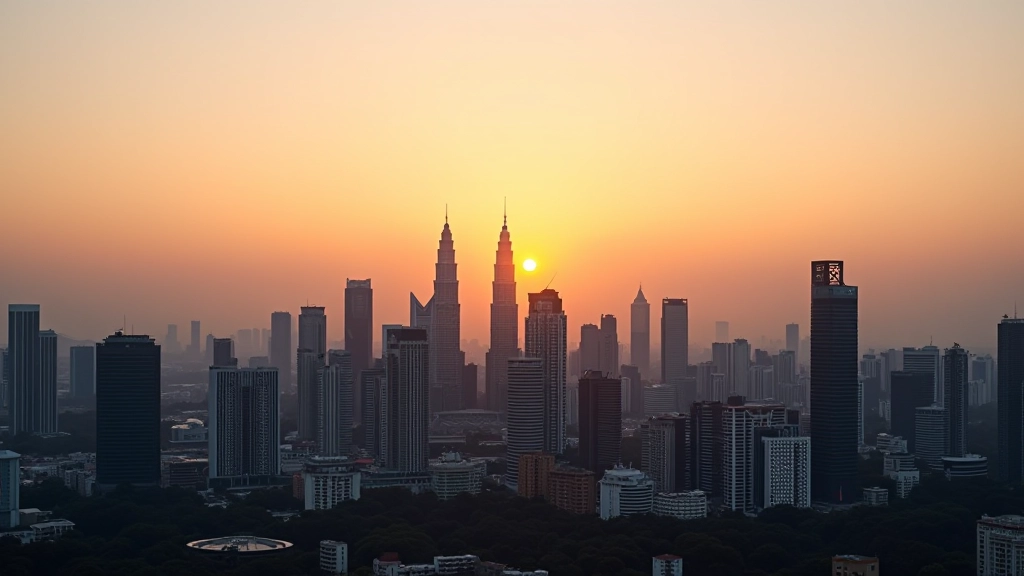
Malaysia’s renewable energy transition isn’t a hypothetical future scenario anymore. It’s happening now, with real projects, real investments, and real timelines. Solar farms are generating power. Grid technology is being upgraded. Policies are being reformed.
Will it be smooth? No — there’ll be challenges with grid integration, job displacement in fossil fuel sectors, and political pressure to move faster or slower depending on who you ask. Will it succeed? Every indicator suggests yes, because it’s economically rational, environmentally necessary, and increasingly affordable.
The transition represents Malaysia’s shift from commodity dependence toward sustainable industrial growth. It’s about building an economy that doesn’t rise and fall with global oil prices. It’s about creating jobs in growing industries. It’s about environmental responsibility that also makes financial sense.
This article presents educational information about Malaysia’s renewable energy transition plans based on publicly available data and policy announcements. The content aims to explain complex energy sector dynamics in accessible terms. Specific project timelines, investment figures, and policy details may change as circumstances evolve. For current official information, consult Malaysia’s Ministry of Energy and Green Development or Tenaga Nasional Berhad (TNB) official sources. This information is provided for educational understanding and should not be used as the basis for investment decisions without additional professional analysis.