Oil and Gas Pricing Effects on Malaysia’s Economy
Global crude prices ripple through Malaysia’s inflation, currency strength, and household purchasing power in complex ways.
Read MoreHow one energy giant shapes government budgets, funds infrastructure, and influences the nation’s fiscal direction across decades.

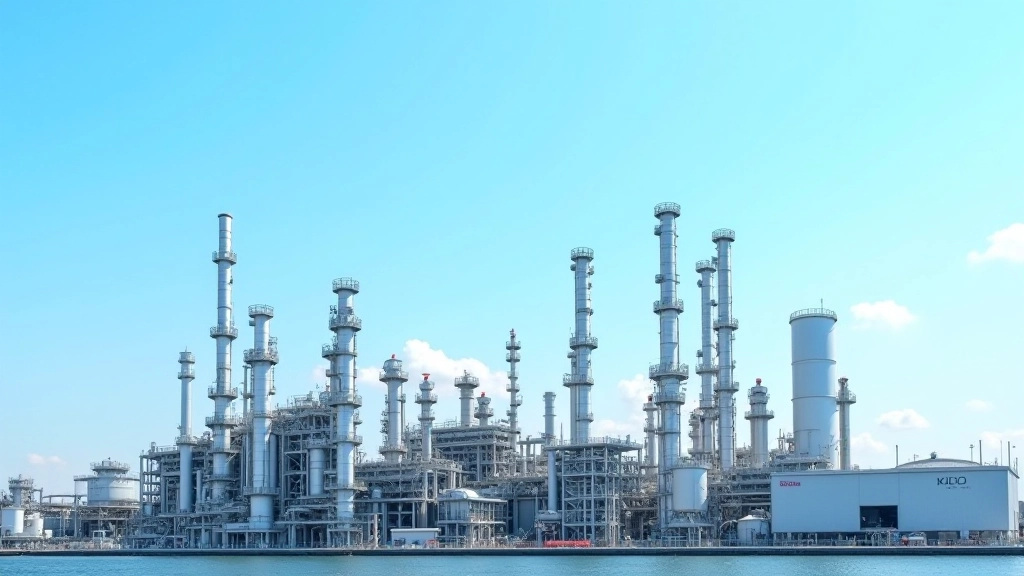
Petronas isn’t just an oil and gas company. It’s woven into Malaysia’s economic fabric so deeply that government budgets, infrastructure projects, and development initiatives all depend on what happens in the global energy markets. When crude prices rise, Malaysia thrives. When they fall, the entire nation feels the impact.
Since its founding in 1974, Petronas has contributed hundreds of billions to Malaysia’s treasury. But here’s the complexity — that revenue stream isn’t stable. It fluctuates wildly based on global oil prices, production rates, and market dynamics. Understanding how Petronas works means understanding how Malaysia’s economy actually functions.

Petronas generated approximately RM 122 billion in revenue in 2024, with net profit around RM 35 billion. These aren’t small figures — they represent roughly 8-10% of Malaysia’s total government revenue in some years. That money funds schools, hospitals, highways, and public services across the country.
But here’s what makes it tricky. Petronas operates in a volatile industry. In 2020, when crude oil prices crashed, the company’s profits dropped significantly. In 2022, when prices spiked due to global supply concerns, revenues soared. This volatility creates real challenges for government budget planning. Officials can’t simply assume stable revenue — they’re constantly adjusting projections based on what oil markets are doing.
The company’s dividend payments to the Malaysian government aren’t fixed either. Some years bring windfall payments when prices are strong. Other years see modest contributions. This unpredictability means Malaysia’s fiscal planners must maintain reserves and avoid over-committing to long-term spending based on optimistic oil price assumptions.

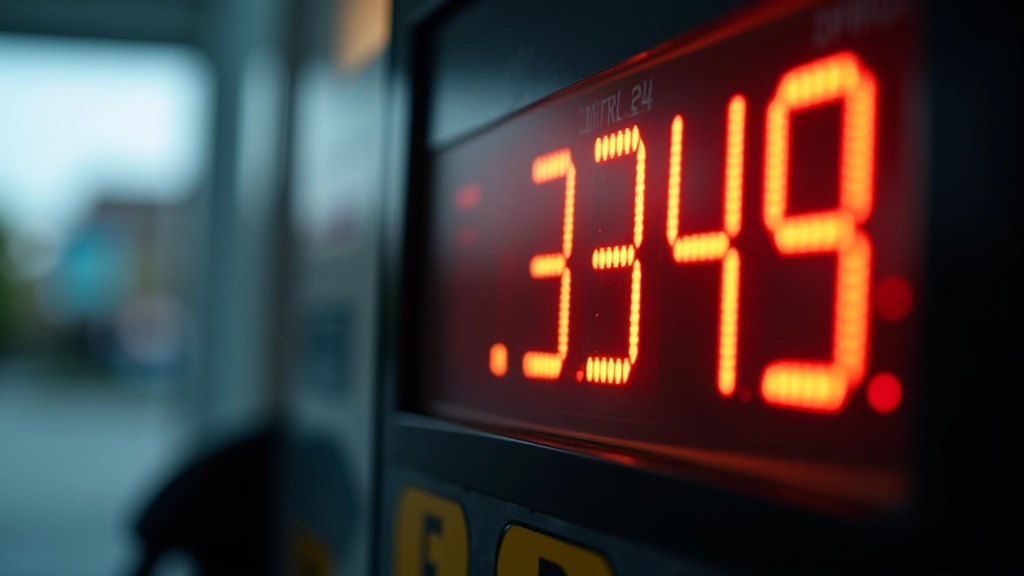
Here’s the paradox that complicates everything. Even though Petronas brings in massive revenue, Malaysia simultaneously spends billions subsidizing fuel prices for consumers. When crude oil costs $80 per barrel, the government keeps pump prices artificially low. The difference? That’s paid from government coffers — sometimes even from Petronas’s own dividends.
This creates a circular flow that seems counterintuitive. Petronas earns money from high oil prices. The government then uses part of that money to subsidize fuel so citizens pay less at the pump. It’s politically popular with voters, but fiscally complicated. In 2022 alone, fuel subsidies cost Malaysia around RM 32 billion. That’s money that could’ve gone toward schools, roads, or healthcare.
The government has gradually moved toward targeted subsidies rather than universal ones, but the fiscal burden remains substantial. It’s a balancing act — keeping voters happy with affordable fuel while managing the national budget responsibly.
Malaysia faces a profound challenge. The world is transitioning away from fossil fuels. Solar, wind, and renewable energy are becoming cheaper and more dominant. This is excellent for climate goals, but it threatens Petronas’s long-term revenue stream. If global oil demand drops by 30-40% over the next two decades — which many analysts expect — what happens to Malaysia’s budget?
Petronas is investing heavily in renewable energy and green hydrogen, but these new ventures won’t immediately replace oil and gas revenue. The company’s 2050 net-zero target is ambitious, but it means deliberately reducing the very operations that fund government spending. It’s a strategic shift that requires careful planning.
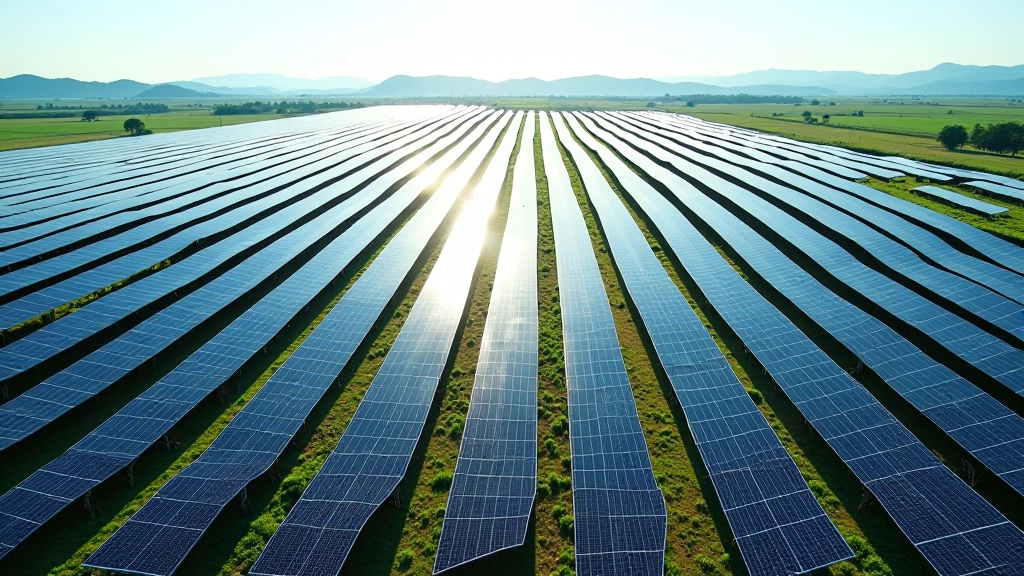
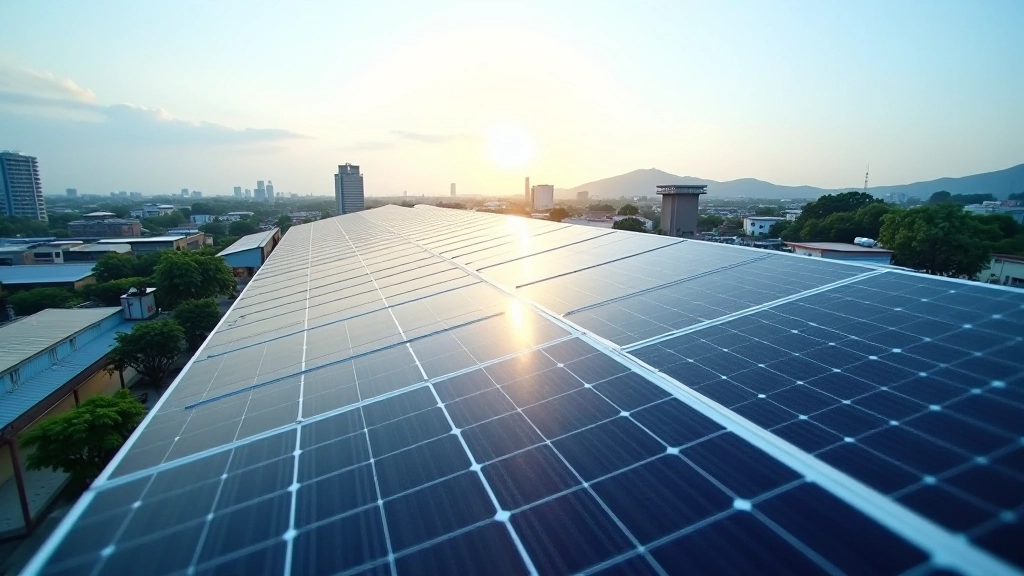
Malaysia is also developing its solar capacity. The country has targets to increase renewable energy to 31% of installed capacity by 2050. But solar doesn’t generate the same tax revenues and dividends that oil and gas do. Policymakers are essentially planning for a future where Petronas contributes less, which means finding revenue elsewhere or reducing spending.
Petronas’s relationship with Malaysia’s economy is both powerful and precarious. The company generates enormous wealth that funds critical services. But that wealth depends on global oil prices, which nobody can predict reliably. Add the energy transition into the equation, and you’ve got a complex fiscal puzzle.
Malaysia’s long-term economic health requires diversification beyond oil and gas. That doesn’t mean abandoning Petronas — the company will remain relevant for decades. But it does mean building other revenue streams, investing in manufacturing, technology, and services, and gradually reducing the economy’s dependence on energy commodities.
The next decade will be critical. Petronas must navigate the energy transition while continuing to generate revenue. The government must plan budgets that don’t assume unlimited oil money. And Malaysians must understand that their country’s economic future depends on choices being made right now — in boardrooms, in parliament, and in global energy markets.
Want to explore related topics in Malaysia’s energy sector?
Explore Energy Sector TopicsThis article is for informational and educational purposes only. The financial figures and projections discussed represent data available as of March 2026 and are subject to change. Oil and gas markets are inherently volatile, and future revenues cannot be predicted with certainty. This content is not financial advice, investment guidance, or economic policy recommendation. For specific questions about Malaysia’s fiscal policy, energy strategy, or investment decisions, please consult relevant government agencies, financial advisors, or academic experts in economics and energy policy.