


EnergyShift Malaysia Logo EnergyShift Malaysia Contact Us
Contact Us

Energy Sector and Macroeconomic Impact in Malaysia

Understanding Petronas, oil and gas pricing, renewable energy transition, and energy subsidy challenges shaping Malaysia’s economy

Malaysia’s energy landscape is at a critical juncture. We’re covering the forces that drive the nation’s economy — from Petronas’ massive revenue contributions to the fiscal burden of energy subsidies. Whether you’re interested in how oil prices affect household costs or Malaysia’s ambitious renewable energy goals, you’ll find detailed analysis and real-world context here.

Featured Articles

Explore key topics in Malaysia’s energy sector

Modern office environment with computer screens displaying energy market data and charts

Petronas Revenue and Malaysia’s Economic Backbone

How Petronas’ earnings shape government budgets, fund development projects, and influence Malaysia’s fiscal planning across decades.

12 min Intermediate March 2026
Read More
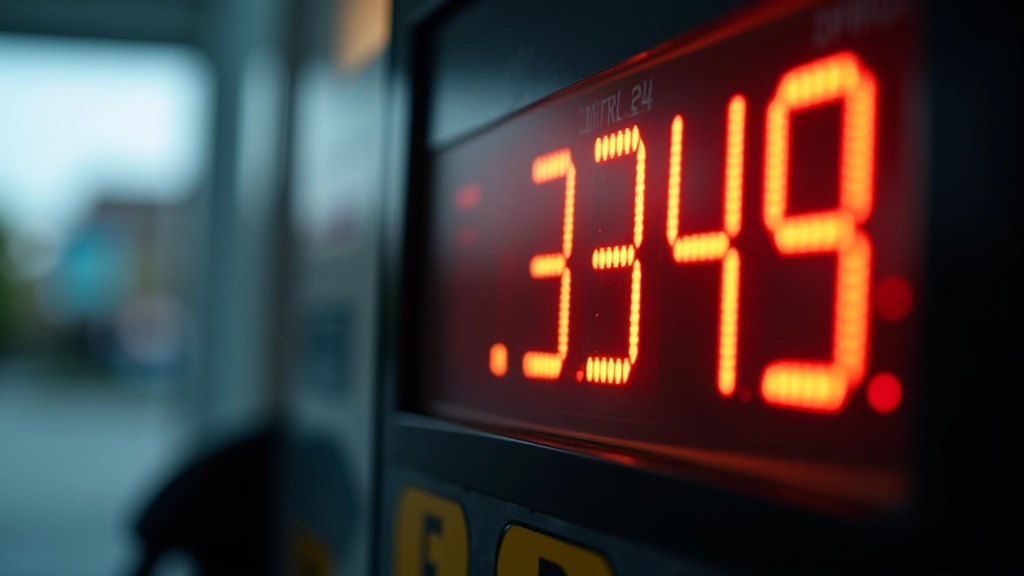
Gas station pump display showing fuel prices with digital numbers and branding

Oil and Gas Pricing Effects on Malaysia’s Economy

Global crude prices ripple through Malaysia’s inflation, currency strength, and consumer spending patterns in ways most people don’t realize.

10 min Beginner March 2026
Read More
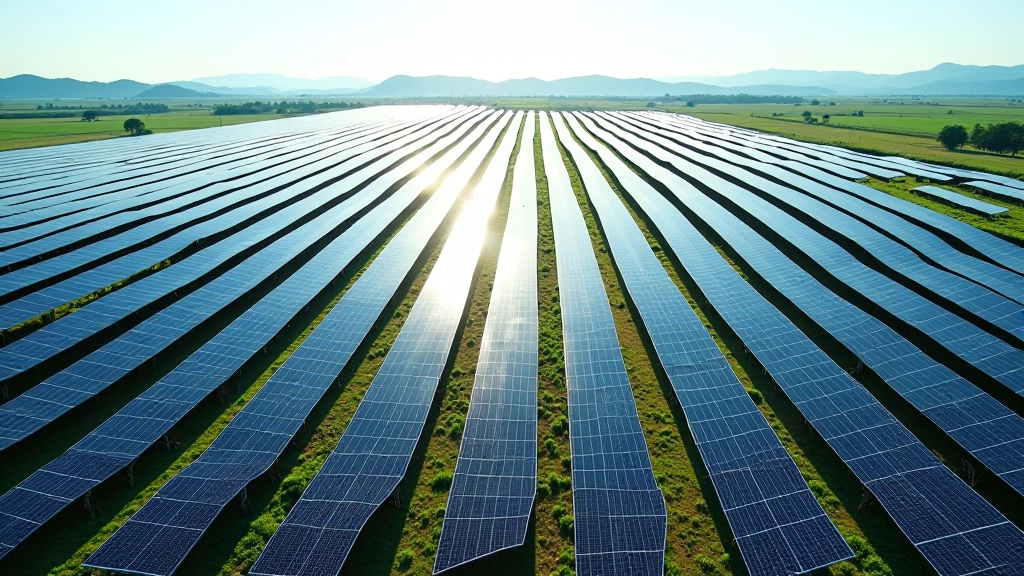
Aerial view of solar panel farm stretching across landscape with rows of blue photovoltaic cells

Malaysia’s Renewable Energy Transition Plans

From solar targets to green technology investments, Malaysia is shifting away from fossil fuels. Here’s what the transition actually means for the economy and environment.

14 min Intermediate March 2026
Read More
Government building entrance with Malaysian flag, architectural columns and official signage

Energy Subsidies and Fiscal Burden on Government

Energy subsidies cost Malaysia billions annually. We break down why they exist, who benefits, and the hidden budget pressures they create.

11 min Intermediate March 2026
Read More

Key Insights

3.6T

Petronas annual revenue contribution to Malaysia’s economy

18%

Target renewable energy capacity by 2025

RM40B+

Annual energy subsidy fiscal burden

2.2M

Households relying on subsidized energy prices

Understanding the Energy Sector Context

Malaysia’s energy sector isn’t just about power generation. It’s deeply woven into the nation’s economic fabric, government spending, and household budgets. Petronas alone contributes roughly 8-12% of government revenue in most years, making it one of the country’s most important economic pillars.

The relationship between global oil prices and Malaysia’s economy is direct and immediate. When crude hits $80 per barrel, it affects everything from inflation to currency strength. When prices drop, government revenues fall sharply, forcing difficult budget decisions. Meanwhile, energy subsidies — designed to keep electricity and fuel affordable — consume an enormous portion of the national budget, creating a fiscal squeeze that limits spending on healthcare, education, and infrastructure.

The transition to renewable energy adds another layer of complexity. Malaysia’s commitment to cleaner energy is genuine, but it requires massive investments in solar farms, grid modernization, and technology. The path forward isn’t simple: it’s about balancing economic growth, energy security, and environmental responsibility. That’s why understanding these dynamics matters — they shape policy decisions that affect your cost of living, job prospects, and Malaysia’s long-term competitiveness.