
Petronas Revenue and Malaysia’s Economic Backbone
How Petronas’ earnings shape government budgets, fund development projects, and influence economic policy decisions.
Read MoreGlobal crude prices ripple through Malaysia’s inflation, currency strength, and consumer spending patterns in ways most people don’t realize.
It’s easy to think of oil as just something that powers cars. But for Malaysia, crude oil is far more — it’s woven into government budgets, currency values, and how much you pay for everything from food to electricity. When global oil prices shift by even $10 per barrel, ripples spread through the entire economy.
Malaysia doesn’t exist in isolation. We’re connected to global energy markets through Petronas, our national oil company, which generates revenue that funds hospitals, schools, and infrastructure. When prices drop, that funding tightens. When prices spike, inflation can accelerate faster than wages.

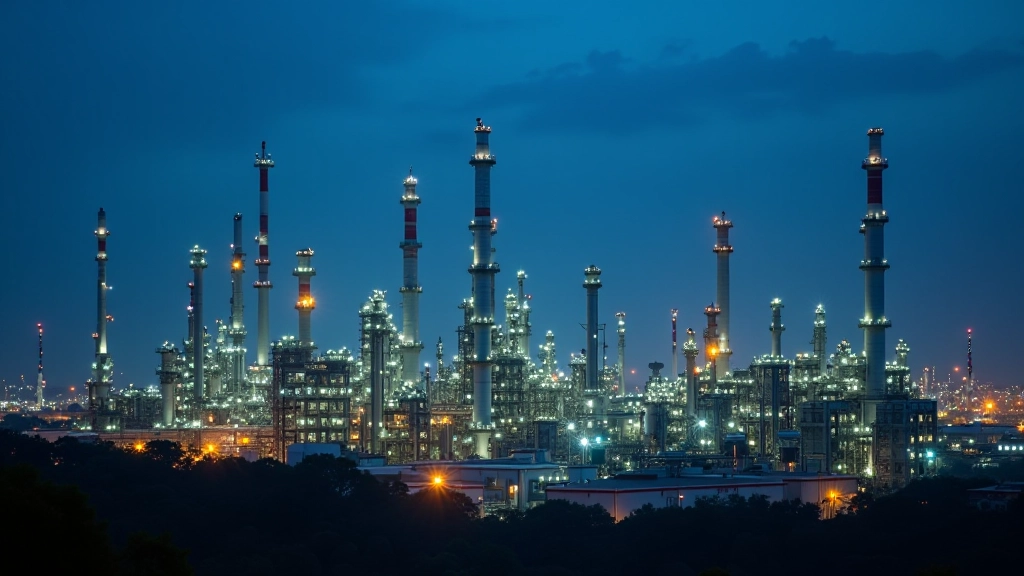
Petronas isn’t just a company — it’s Malaysia’s financial backbone. The state-owned enterprise generated over RM90 billion in revenue during recent peak years. That’s roughly 10-15% of total government revenue. When you see new highways being built or schools being upgraded, there’s a good chance Petronas funding played a role.
Here’s where it gets interesting. Oil prices don’t move in straight lines. Between 2014 and 2016, crude prices collapsed from over $100 per barrel to below $30. During this period, Petronas revenues dropped sharply, forcing the government to make tough choices — cutting development budgets and postponing projects. Fast forward to 2021-2022, when prices recovered to $80-100 per barrel, and suddenly there was breathing room again.
The government relies on these revenues. When prices are strong, it can invest in economic development. When they’re weak, it often resorts to borrowing or cutting spending — both of which create different economic pressures on citizens.

When oil prices rise, something interesting happens to the Malaysian ringgit — it tends to strengthen. Why? Because higher oil revenues mean more foreign currency flowing into Malaysia. A stronger ringgit makes imported goods cheaper, which sounds great at first. But there’s a catch.
When the ringgit strengthens too much, Malaysia’s manufactured exports become more expensive for overseas buyers. Companies earn less from exports, which can slow job creation and wage growth. It’s a delicate balance that economists watch carefully.
Between 2018 and 2020, ringgit weakness actually helped exporters. Manufacturing became competitive again. But this only happened because oil prices stayed relatively low. The currency reflects the country’s energy wealth — when energy wealth fluctuates, the currency follows.
Here’s where things get complicated. Malaysia has a long history of subsidizing energy. When global oil prices spike, the government doesn’t always pass those increases directly to consumers. Instead, it absorbs some of the cost through subsidies. This sounds generous, but it creates problems.
Energy subsidies cost Malaysia billions annually — estimates suggest around RM5-8 billion per year depending on global prices. That’s money the government can’t spend on healthcare, education, or infrastructure. Additionally, subsidies create market distortions. Cheap fuel encourages consumption, which increases demand for imports, putting pressure on the ringgit.
Don’t get us wrong — removing subsidies completely would hurt low-income families immediately. But maintaining them during high-price periods strains government finances. Most economists agree Malaysia needs a gradual, well-communicated transition toward market-based pricing with targeted support for vulnerable groups.

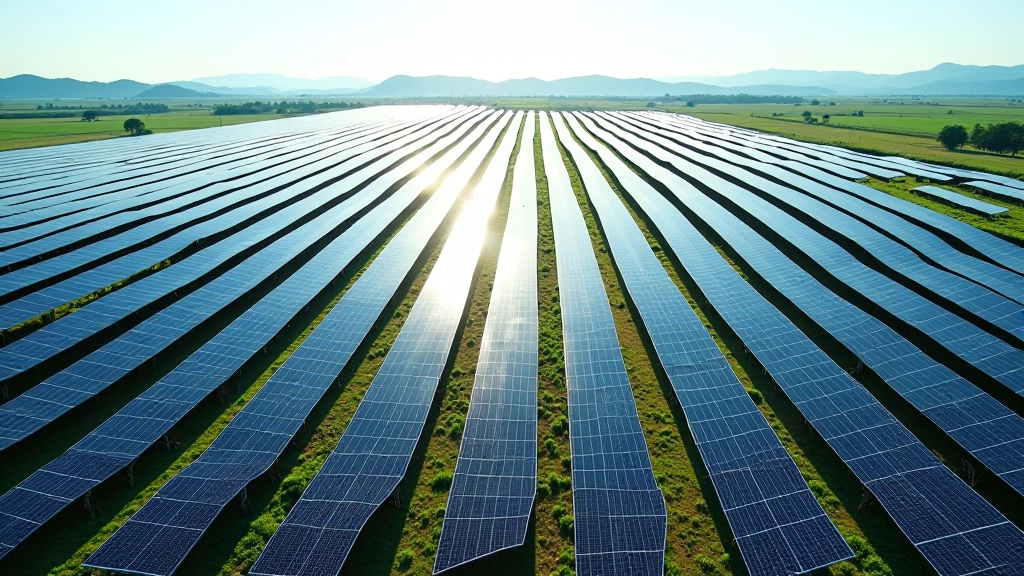
Malaysia’s economy doesn’t need to be hostage to global oil prices. But right now, it partly is. The good news? Policymakers understand this. That’s why you’re seeing increased investment in renewable energy — solar farms, offshore wind projects, and green technology initiatives are accelerating.
Diversification takes time though. Malaysia can’t simply switch overnight from oil revenue to renewable energy revenue. It’s a 10-20 year transition. In the meantime, managing oil price volatility remains crucial. This means building foreign currency reserves during high-price periods, maintaining fiscal discipline, and gradually reforming energy subsidies.
Understanding these connections helps you see why economists discuss global energy markets when talking about Malaysia’s future. It’s not just about cars and power plants — it’s about jobs, inflation, and economic stability for millions of Malaysians.
This article is for informational and educational purposes only. The information presented reflects economic concepts and historical data as of March 2026. It’s not financial advice, investment guidance, or economic forecasting. Economic circumstances, government policies, and global energy markets change continuously. For specific financial decisions, consult with qualified financial advisors. For policy questions, refer to official government sources and Bank Negara Malaysia publications.