
Petronas Revenue and Malaysia’s Economic Backbone
How Petronas’ earnings shape government budgets, fund development projects, and influence Malaysia’s economic resilience.
Read ArticleEnergy subsidies cost Malaysia billions annually. We break down why they exist, who benefits, and the hidden budget pressures they create.

Malaysia’s energy sector presents a fundamental challenge for government budgets. Every year, subsidies keep fuel prices artificially low at the pump, but someone pays the difference. That someone is taxpayers. The numbers are staggering — we’re talking tens of billions of ringgit annually that could fund schools, hospitals, or infrastructure instead.
Here’s the thing: subsidies aren’t inherently bad policy. They protect vulnerable populations from energy poverty. The problem isn’t the concept — it’s the scale and sustainability. When you fix prices below market rates year after year, you’re essentially borrowing from your future. Eventually, that debt catches up.

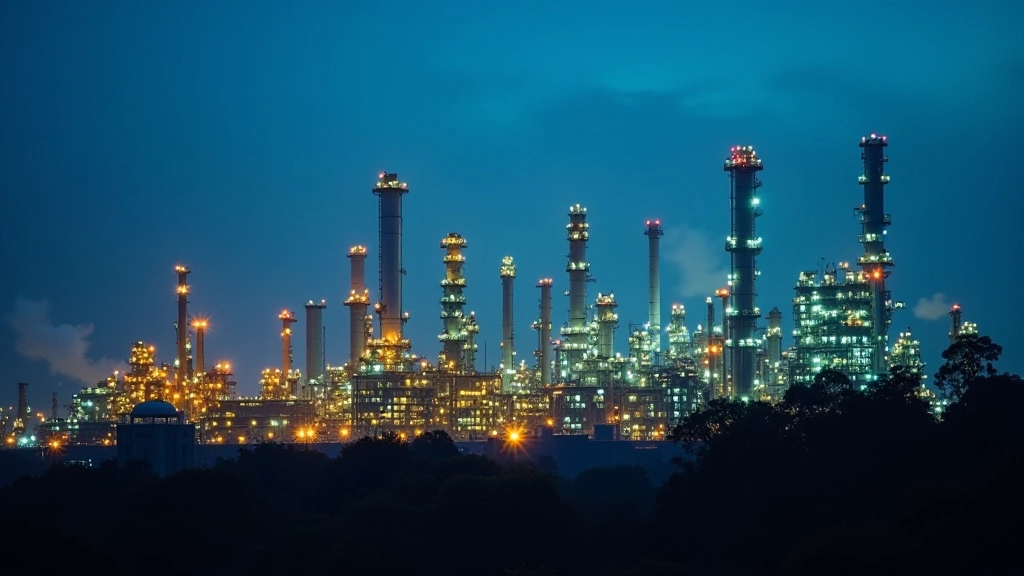
Energy subsidies in Malaysia operate through a deceptively simple mechanism. Petronas, the national oil company, extracts crude oil at global market costs. International prices fluctuate — sometimes $80 per barrel, sometimes $120. But Malaysian consumers don’t see those swings at the pump.
The government absorbs the difference. If crude costs $100 per barrel and the government caps retail fuel at prices equivalent to $70 barrel costs, that $30 gap comes from the national budget. Multiply that by millions of liters sold monthly across the entire country, and you’re looking at massive fiscal drain. It’s not theoretical — these are real ringgit leaving government coffers every single day.
The subsidy system protects low-income households from energy shocks, but it also subsidizes wealthy consumers who drive more and consume more fuel.

Let’s be concrete. In recent years, Malaysia’s energy subsidies have consumed between 10-15% of total government spending in certain budget cycles. That’s not a small line item — it’s a major expenditure competing directly with education, healthcare, and development projects.
When global oil prices spike, the fiscal burden intensifies dramatically. A $20 increase per barrel doesn’t just affect Petronas revenue — it expands the subsidy gap exponentially. The government suddenly faces choosing between maintaining subsidies and balancing the budget. Both options create political and economic pressure.
Here’s where subsidies reveal their complexity. They’re intended as safety nets for low-income households, but that’s not where most benefits flow. A wealthy family driving a large SUV gets more subsidy value than a low-income household using public transport. The system subsidizes consumption — not people.
Manufacturing and industrial sectors also capture enormous subsidy benefits. Factories using subsidized energy gain competitive advantages. Airlines and logistics companies benefit from lower jet fuel costs. The subsidy meant to protect vulnerable populations also protects corporate profits. It’s a blunt instrument — it doesn’t distinguish between necessity and luxury consumption.

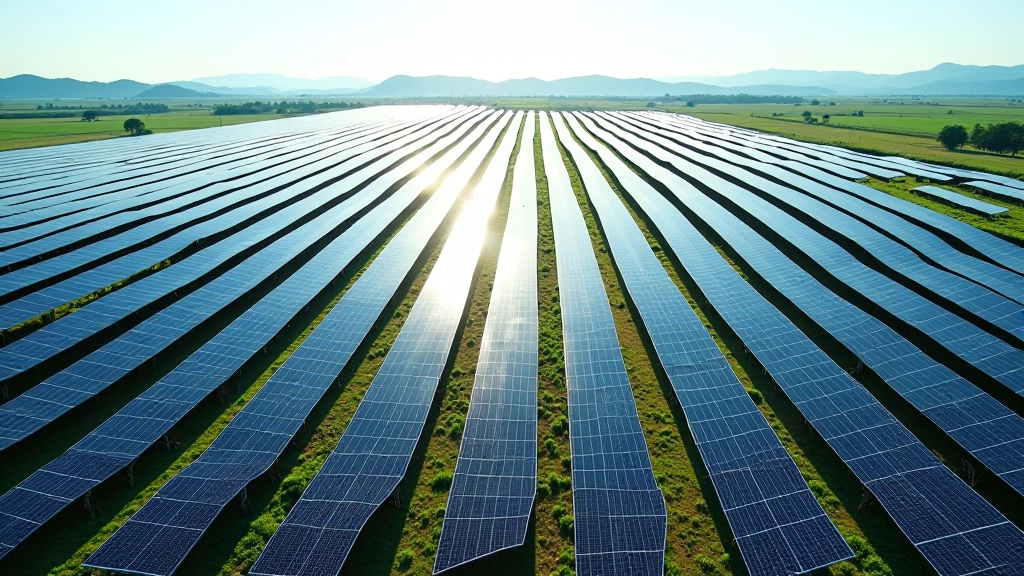
Malaysia’s shift toward renewable energy adds another layer to the subsidy question. Solar and wind power are becoming cheaper, but they’re also less subsidized than fossil fuels. As the country transitions to renewable capacity — targeting significant solar deployment by 2030 — the energy subsidy structure faces pressure to evolve.
The paradox: subsidizing traditional fossil fuels makes renewables look expensive by comparison. Removing subsidies on conventional energy would immediately improve renewable economics. But politically, that’s challenging. Consumers resist fuel price increases, even when the alternative is renewable infrastructure that benefits everyone long-term.

Governments aren’t helpless here. Several countries have successfully reformed energy subsidies without economic collapse. The key is intelligent implementation. It’s not about eliminating support — it’s about restructuring it.
Replace universal fuel subsidies with direct cash transfers to low-income households. More expensive to administer, but it reaches actual need instead of subsidizing everyone equally.
Phased price increases over years rather than sudden shocks. Gives consumers and businesses time to adjust consumption patterns and investment decisions.
Use subsidy savings to fund public transport, making alternatives attractive without requiring direct subsidies on every energy form.
Invest in renewable energy instead of fossil fuel subsidies. Let market forces drive energy prices while government builds clean capacity.
Energy subsidies represent a genuine policy dilemma. They’re expensive, they distort markets, and they’re unsustainable long-term. But they’re also politically sensitive and they do protect some vulnerable populations from energy poverty.
The fiscal burden won’t disappear through denial. Eventually, rising energy costs or budget constraints force action. Malaysia’s government faces choices about how to manage that transition. The most successful approaches aren’t about eliminating support — they’re about redirecting it more intelligently.
“The real cost of energy subsidies isn’t just the money. It’s the opportunities foregone — schools not built, hospitals not upgraded, infrastructure not modernized because budget capacity is consumed by price support.”
Understanding these tradeoffs is essential for informed public discussion. Energy policy affects everyone — at the pump, in taxes, and in public services. When billions go to subsidies, those billions don’t go elsewhere. That’s not a moral judgment — it’s simple mathematics. The question isn’t whether subsidies matter. It’s whether they’re the best use of limited government resources.
This article provides educational information about Malaysia’s energy subsidy system and its fiscal implications. It’s intended to help readers understand economic concepts and government policy mechanics. The analysis reflects publicly available data and economic principles, but individual circumstances vary significantly. For specific financial or policy decisions, consult with qualified economists, financial advisors, or government policy experts. This content isn’t investment advice or political advocacy — it’s educational material explaining how energy subsidies function within government budgets.