


Understanding the Energy Sector Context
Malaysia’s energy sector isn’t just about power generation. It’s deeply woven into the nation’s economic fabric, government spending, and household budgets. Petronas alone contributes roughly 8-12% of government revenue in most years, making it one of the country’s most important economic pillars.
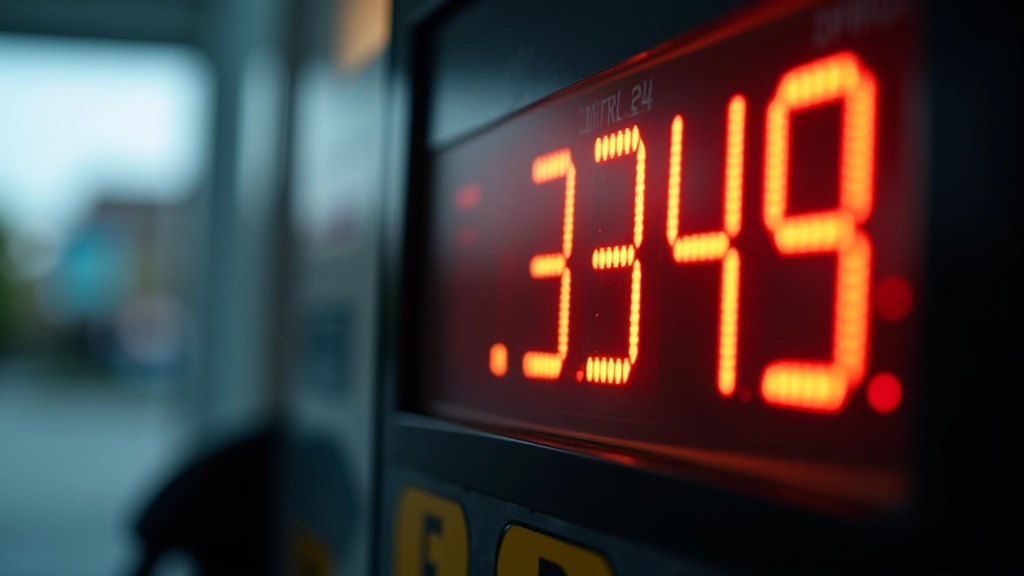
The relationship between global oil prices and Malaysia’s economy is direct and immediate. When crude hits $80 per barrel, it affects everything from inflation to currency strength. When prices drop, government revenues fall sharply, forcing difficult budget decisions. Meanwhile, energy subsidies — designed to keep electricity and fuel affordable — consume an enormous portion of the national budget, creating a fiscal squeeze that limits spending on healthcare, education, and infrastructure.
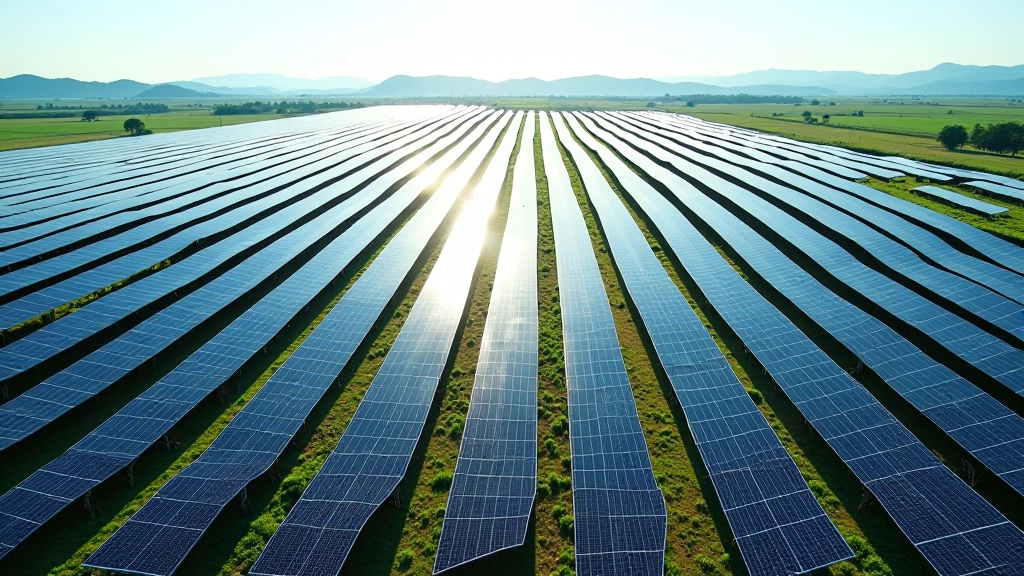
The transition to renewable energy adds another layer of complexity. Malaysia’s commitment to cleaner energy is genuine, but it requires massive investments in solar farms, grid modernization, and technology. The path forward isn’t simple: it’s about balancing economic growth, energy security, and environmental responsibility. That’s why understanding these dynamics matters — they shape policy decisions that affect your cost of living, job prospects, and Malaysia’s long-term competitiveness.